- Teacher: Ann-Marie Åkers
Hanken Moodle
Sökresultat: 434
- Teacher: Anna Ahlskog
- Teacher: Jennie Bertula
- Teacher: Sarah Hagström
- Teacher: Carl Hobbs
- Teacher: Susanne Holmlund
- Teacher: Johanna Lindqvist
- Teacher: Kicka Lindroos
- Teacher: Eva Molander
- Teacher: Magnus Sippel
- Teacher: Guy Sjö
- Teacher: Emma Tikkanen
- Teacher: Marina Bergström
- Teacher: Jennie Bertula
- Teacher: Sarah Hagström
- Teacher: Susanne Holmlund
- Teacher: Britt-Mari Siironen
- Teacher: Daniela Smeds
- Teacher: Ava Engström
- Teacher: Sarah Hagström
- Teacher: Susanne Holmlund
- Teacher: Johanna Lindqvist
- Teacher: Anna Ahlskog
- Teacher: Jennie Bertula
- Teacher: Sarah Hagström
- Teacher: Susanne Holmlund
- Teacher: Linnéa Kangas
- Teacher: Eva Molander
- Teacher: Magnus Sippel
- Teacher: Marie Snellman
- Teacher: Emma Tikkanen

- Teacher: Robert Ciuchita
- Teacher: Christina Dahlblom
- Teacher: Olli-Pekka Kauppila

- Teacher: Philip Gylfe
- Teacher: Hertta Vuorenmaa
- Teacher: Iris Wrede

- Teacher: Philip Gylfe
- Teacher: Hertta Vuorenmaa
- Teacher: Iris Wrede

Obligatorisk grundkurs inom kandidatexamen.
Kursnyckel: mf2025hfors
- Teacher: Gustav Medberg
- Teacher: Elin Qvist
- Teacher: Sickan Åberg
- Teacher: Peter Björk
- Teacher: Lisa Niemistö
- Teacher: Annika Ravald

- Teacher: Helena Liewendahl
- Teacher: Sonja Sarasvuo

- Teacher: Eva Ström
- Teacher: Dennis Sundvik
- Teacher: Henrik Höglund
- Teacher: Dennis Sundvik

- Teacher: Cecilia Blomster
- Teacher: Anna Aminoff
- Teacher: Nikodemus Solitander
- Teacher: Niklas Ahlgren
- Teacher: Hilda Kallio-Mannila
- Teacher: Tony Kung
- Teacher: Rasmus Rosenqvist
Obligatorisk grundkurs inom kandidatexamen.
- Teacher: Christian Johansson
- Teacher: Sarah Hagström
- Teacher: Nikodemus Solitander
- Teacher: Claire Travers
- Teacher: Qinglan Huang
- Teacher: Piia Korri
- Teacher: Timmy Thor

- Teacher: Daniel Bougt-Hernnäs
- Teacher: Sofia Bougt-Hernnäs
- Teacher: Tony Kung
- Teacher: Markus Ostamo
- Teacher: Daniel Jongsma
- Teacher: Alexander Back

- Teacher: Stefan Burggraf
- Teacher: Robert Ciuchita

- Teacher: Stefan Burggraf
- Teacher: Robert Ciuchita

- Teacher: Sofia Bougt-Hernnäs
- Teacher: Juhana Vartiainen
- Teacher: Karl Felixson
- Teacher: Jesper Haga
- Teacher: Kenneth Högholm
- Teacher: Emilia Vähämaa
- Teacher: Karl Felixson
- Teacher: Jesper Haga
- Teacher: Sarah Hagström
- Teacher: Kenneth Högholm
- Teacher: Toni Sundqvist
- Teacher: Emilia Vähämaa
- Teacher: Theogene Habimana
- Teacher: Anders Löflund
- Teacher: Jan Antell
- Teacher: Gustav Finne
- Teacher: Jesper Haga
- Teacher: Maryam Nasiri Kheshtmasjedi
- Teacher: Jiaqi Wang
- Teacher: Martin Scheffel
- Teacher: Kenneth Högholm
- Teacher: Emilia Vähämaa
- Teacher: Gustav Finne
- Teacher: Jesper Haga
- Teacher: Toni Sundqvist
- Teacher: Paulo Fraga Martins Maio
- Teacher: Benjamin Maury
- Teacher: Jan Antell
- Teacher: Anh Nguyen

Contents:
Introduction to Statistical Learning/Machine Learning
Subset Selection
Regularisation Methods: Ridge Regression and Lasso
Bootstrap
Tree-Based Methods
Tree-Based Methods for Classification
Unsupervised Learning: PCA, PCR and Clustering
Neural Networks
Articles using ML in Finance (NM)
Practical advice about Machine Learning
Ethics in Machine Learning
After completing the course, you will be able to:
Analyse financial data using machine learning methods
Use machine learning methods for prediction and decision making in Finance
Apply machine learning methods to solve research problem in Finance
- Teacher: Niklas Ahlgren
- Teacher: Theogene Habimana
- Teacher: Agnieszka Jach
- Teacher: Christian Johansson
- Teacher: Niclas Meyer
- Teacher: Emilia Vähämaa
- Teacher: Gustav Finne
- Teacher: Thoi Mai
- Teacher: Benjamin Maury
- Teacher: Elyas Saif
- Teacher: Natalia Boltovskaia
- Teacher: Jesper Haga
- Teacher: Kenneth Högholm
- Teacher: Jesper Haga
- Teacher: Kenneth Högholm
- Teacher: Emilia Vähämaa
- Teacher: Kam-Ming Wan
- Teacher: Kenneth Högholm
- Teacher: Emilia Vähämaa
- Teacher: Kam-Ming Wan
Detta är den gemensamma Moodlesidan för kurserna 17160 för svenskspråkiga hankeiter och 17170 för övriga.
This is the combined Moodle page for the courses 17170 for non-Swedish speakers, and 17160 for Swedish speaking Hankeits.
Please read the course description carefully! It is available outside the course Moodle page. Please also attend the introductory lecture. The introductory lecture is held on Tuesday, 2 September 2025 at 10.15 am. in room A411. The enrolment key will be distributed at least twice, i.e., once in the first half of August, and another time about one week before the course starts. Please contact jan.antell@hanken.fi if you did not receive it.
Take measures to come up with a topic. Note that the topic is to be submitted already some one week after the introductory lecture. Check the data availability to the detail, as no data = no thesis.
In many cases, the model structure is as follows:
where
is a variable of interest, and
is a vector of control variables. When considering a topic, think of which variables that should be variables of specific interest, and which are control variables, i.e., variables known or expected to have an association with the phenomenon under study, but that are not of special interest. You need data both for variables of interest and for control variables.
- Teacher: Jan Antell
Detta är den gemensamma Moodlesidan för kurserna 17160 för svenskspråkiga hankeiter och 17170 för övriga.
This is the combined Moodle page for the courses 17170 for non-Swedish speakers, and 17160 for Swedish speaking Hankeits.
Please read the course description carefully! It is available outside the course Moodle page. Please also attend the introductory lecture. The introductory lecture is held on Monday, 20 January 2025 at 14.15 pm. in room A304. The enrolment key will be distributed at least twice, i.e., once in the beginning of January, and another time about one week before the course starts. Please contact jan.antell@hanken.fi if you did not receive it.
Take measures to come up with a topic. Note that the topic is to be submitted already some one week after the introductory lecture. Check the data availability to the detail, as no data = no thesis.
In many cases, the model structure is as follows:
where
is a variable of interest, and
is a vector of control variables. When considering a topic, think of which variables that should be variables of specific interest, and which are control variables, i.e., variables known or expected to have an association with the phenomenon under study, but that are not of special interest. You need data both for variables of interest and for control variables.
- Teacher: Jan Antell
Kursen är en självstudiekurs där du rapporterar skriftligen efter din för ditt huvudämne relevanta arbetspraktik. Du kan välja att avlägga praktikkursen om antingen 5 sp eller 10 sp. För 5 sp behövs minst 8 arbetsveckor heltidsarbete och för 10 sp krävs minst 16 arbetsveckor.
Praktiken kan avläggas under en eller flera perioder och på en eller flera arbetsplatser. Om du är antagen till den integrerade kandidat- och magisterutbildningen kan rapporten hänvisa till arbetspraktik som utförts efter antagningen till kandidatnivån. Om du är antagen direkt till studier för endast magisterexamen på Hanken kan rapporten hänvisa till arbetspraktik som utförs under studietiden eller upp till högst tre år före antagning.
Notera att du får avlägga högst 10 sp praktik inom din magisterexamen. Således kan du av praktikkurserna på 5 sp och 10 sp bara avlägga en.

- Teacher: Kenneth Högholm
- Teacher: Kam-Ming Wan
- Teacher: Denis Davydov
- Teacher: Henrik Palmen
- Teacher: Ronny Eriksson
- Teacher: Markus Wartiovaara
- Teacher: Tom Lahti
- Teacher: Neema Komba
- Teacher: Chanyoung Park
- Teacher: Joakim Vincent
- Teacher: Tom Lahti
- Teacher: Thommie Burström

- Teacher: April Spivack
- Teacher: Torkel Tallqvist

- Teacher: Chanyoung Park
- Teacher: April Spivack
- Teacher: Eva Ström
- Teacher: Karolina Söderlund
- Teacher: Timmy Thor
- Teacher: Henrik Höglund
- Teacher: Eva Ström

- Teacher: Henrik Höglund
- Teacher: Eva Ström
- Teacher: Karolina Söderlund
- Teacher: Timmy Thor

- Teacher: Henrik Höglund
- Teacher: Eva Ström
- Teacher: Karolina Söderlund
- Teacher: Timmy Thor
- Teacher: Kim Ittonen
- Teacher: Mansoor Afzali
- Teacher: Theresia Harrer
- Teacher: Karl Felixson
- Teacher: Henry Jarva
- Teacher: Aaron Afzali
- Teacher: Hanna Silvola

- Teacher: Henrik Höglund
- Teacher: Dennis Sundvik

- Teacher: Theresia Harrer
- Teacher: Henrik Höglund
- Teacher: Mansoor Afzali
- Teacher: Kim Ittonen
- Teacher: Yuhan Shang

- Teacher: Henrik Höglund

- Teacher: Eva Ström
- Teacher: Karolina Söderlund
- Teacher: Dennis Sundvik
- Teacher: Marika Finne
- Teacher: Kicka Admin Lindroos
- Teacher: Dennis Sundvik
- Teacher: Karolina Söderlund
- Teacher: Hanna Silvola
- Teacher: Aaron Afzali
- Teacher: Jaana Kettunen
- Teacher: Timmy Thor
- Teacher: Aaron Afzali
- Teacher: Mansoor Afzali
- Teacher: Kim Ittonen
- Teacher: Henry Jarva
- Teacher: Jaana Kettunen
- Teacher: Othmar Lehner
- Teacher: Hanna Silvola
- Teacher: Dennis Sundvik
- Teacher: Aaron Afzali
- Teacher: Mansoor Afzali
- Teacher: Kim Ittonen
- Teacher: Henry Jarva
- Teacher: Jaana Kettunen
- Teacher: Othmar Lehner
- Teacher: Hanna Silvola
- Teacher: Dennis Sundvik
- Teacher: Karolina Söderlund
- Teacher: Eva Ström
Syftet med kursen är att du producerar en godkänd kandidatavhandling av vetenskapligt och språkligt god kvalitet. Du tränar och utvecklar en förmåga att analysera och lösa problem inom ämnesområdet samt producerar ett skriftligt vetenskapligt arbete. Meningen är också att kursen skall träna din skriftliga och muntliga presentation och argumentation.
Kandidatavhandlingen skrivs på svenska och kräver godkänt mognadsprov. I regel skall mognadsprovet genomgå både sak-och språkgranskning.
Vetenskapligt skrivande på kandidatnivå (5628) rekommenderas starkt att tas parallellt med Kandidatavhandlingen (hybridkurs som ges online för Vasa studerande). Efteranmälan är öppen till 14.9.
OBS! För att kunna avlägga Kandidatavhandlingskursen i P1-P2 måste kursen Forskningsmetodikens grunder avläggas i P1. Kursen går parallellt. Om man inte slutför kursen Forskningsmetodikens grunder i P1 får man inte slutföra kandidatavhandlingskursen.
Introduktion till Kandidatavhandling i företagsledning och organisation sker tisdag den 9.9 klockan 10:15 i rum 235. Moodle nyckeln ges någon dag före intro sessionen. Varmt välkomna! /Eva-Lena
- Teacher: Eva-Lena Lundgren-Henriksson
- Teacher: Thommie Burström
- Teacher: Tanja Dahlgren-Broman
- Teacher: Daniela Pyhäjärvi
- Teacher: Denise Salin
- Teacher: Paulina Junni
- Teacher: Eva-Lena Lundgren-Henriksson
- Teacher: Daniil Pokidko
Strategic thinking in action involves the ability to identify relevant information, to formulate and develop rigorous reports, and to judge the outcome of the analysis. The analytical skills are essential when managing organizations in different situations and changing contexts. This course addresses strategic issues (such as competition, governance, internationalization, politics, culture, change) through cases and provides analytical tools as well as an in depth understanding of the theoretical underpinnings of different analytical methods in strategic management.
The course introduction takes place on Tuesday 5.9 at 10:15 in room 312. You are all warmly welcome! /Eva-Lena
- Teacher: Paulina Junni
- Teacher: Eva-Lena Lundgren-Henriksson
Strategic thinking in action involves the ability to identify relevant information, to formulate and develop rigorous reports, and to judge the outcome of the analysis. The analytical skills are essential when managing organizations in different situations and changing contexts. This course addresses strategic issues (such as competition, governance, internationalization, politics, culture, change) through cases and provides analytical tools as well as an in depth understanding of the theoretical underpinnings of different analytical methods in strategic management.
The course introduction takes place on Tuesday 3.9 at 10:15 in room 308. The Moodle key will be given some day in advance before the intro session.
You are all warmly welcome! /Eva-Lena

- Teacher: Paulina Junni
- Teacher: Eva-Lena Lundgren-Henriksson
- Teacher: Nhan Duong
- Teacher: Paulina Junni
- Teacher: David Wunder
Strategic thinking in action involves the ability to identify relevant information, to formulate and develop rigorous reports, and to judge the outcome of the analysis. The analytical skills are essential when managing organizations in different situations and changing contexts. This course addresses strategic issues (such as competition, governance, internationalization, politics, culture, change) through cases and provides analytical tools as well as an in depth understanding of the theoretical underpinnings of different analytical methods in strategic management.
This course has received high points in student course feedback during previous years.
The course introduction takes place on Thursday 30.10 at 12:30 in room 308. The Moodle key will be given some day in advance before the intro session.
You are all warmly welcome! /Eva-Lena
- Teacher: Eva-Lena Lundgren-Henriksson
Fully in class (case seminars), guest lectures in class and streaming to Teams, online joint lectures with Helsinki.
The course introduction takes place on Friday 2 September at 14.15 in room 236.
Warmly welcome!
Eva-Lena
- Teacher: Paulina Junni
- Teacher: Eva-Lena Lundgren-Henriksson
- Teacher: Anna Maaranen
- Teacher: Daniela Pyhäjärvi
- Teacher: Denise Salin
- Teacher: Nana Appiah-Dwomoh Osei
- Teacher: Paulina Junni
- Teacher: Frank den Hond
- Teacher: Paulina Junni
- Teacher: Frank den Hond
- Teacher: Jennie Sumelius

- Teacher: Nadia Mahou
- Teacher: Man Yang
- Teacher: Maria Ehrnström-Fuentes
- Teacher: Fredrik Weibull
- Teacher: Frank den Hond
- Teacher: Neema Komba
- Teacher: Janne Tienari
- Teacher: Maria Gaudiino
- Teacher: Neema Komba
- Teacher: Emma Nordbäck
- Teacher: Janne Tienari
- Teacher: Hertta Vuorenmaa
- Teacher: Martin Fougère
- Teacher: Laura Varja
- Teacher: Mats Ehrnrooth
- Teacher: Fredrik Weibull
- Teacher: Nevena Isic
- Teacher: Janne Tienari
Föreläsningar med diskussioner och övningar. Examinationen sker genom aktivt deltagande, styrelsemöten och inlärningsdagbok.
Du har förmåga att analysera sambandet mellan VD, styrelse och företagsledning och deras arbete kring strategi, riskhantering, kvalitetsarbete, juridik, etik och hållbarhet samt olika aspekter av att leda ett företag.
- Teacher: Sören Kock
- Teacher: Mikko Vesa
The course consists of lectures and practical method exercises in class. The lectures cover qualitative research methodology and the quality criteria of scientific research. Methods for collecting and analyzing qualitative data material are covered as well as guidelines for how a master's thesis can be structured. After the course, you have insights into qualitative research methods and knowledge of how to conduct a qualitative scientific study, as well as an understanding of what characterizes good and ethical scientific research.
The course introduction takes place on Monday 20.1 at 14:15 in room 308.
Warmly welcome!
Eva-Lena

- Teacher: Eva-Lena Lundgren-Henriksson
Introduction to Management 2025, Vaasa & Helsinki (22082)
Credits: 8 cr
Type of course: Intermediate Studies
Recommended study level: First or second year of Bachelor studies
Teaching Period 4: 17.3–9.5.2025, Easter holiday: 17.4–23.4.2024
Available to students from Vaasa and Helsinki, as well as Open University students.
Exam Week for Period 4: 12–16.5.2025
Course delivery: Online lectures; One workshop on-site (in Vaasa and Helsinki, respectively)
On-site final exams in Vaasa or Helsinki.
‘The presumption that managerial activity exists independently from the activities of managers leads to a grouping of all kinds of disparate activities under the heading of management. In that case, rather than electing a democratic rescue of management (as a general human attribute) from colonization by a named group of people (managers), critics would be in danger of endorsing the colonization of all human activities by casting them in terms of management. Whereas the demise of management might suggest that `we are all managers now', the critical response should not be that `we always were'. Instead the response to the demise of the special status of management should be that notions of management are now to be regarded as redundant. This then opens up the space for the construction of forms of subjectivity which are not conceived in terms of the discourse of management and manageability, rather than closing down the space in which such alternatives might exist. To put these points rather differently, I am suggesting that visions of a `post- managerial' future need to be handled with considerable caution. They appeal to critical writers because they appear to address the unjustifiable separation of management as a special activity. The restoration of management to `everyone' seems to be democratic in that it disperses influence and power. But the crucial issue is the terms on which this occurs. The demise of management does not imply an end to the co-ordination and control of human activities: rather, it installs this co-ordination and control in an ever-wider set of activities. As noted earlier, it is in this sense that the demise of management is fully compatible with the ascendancy of managerialism. By drawing the many rather than the few into management, managerial power - if not the power of managers - is extended rather than diminished.’
(Grey, C. (1999). “We Are All Managers Now”; ’We Always Were’: On the Development and Demise of Management. Journal of Management Studies, 36, 561–585.)
Course description
Introduction to Management is a bachelor-level course, which introduces students to the fascinating world of management in the context of modern organizing. The course aims to develop capabilities for independent thinking about management as a phenomenon ultimately concerned with a particular relationship to the human subject at work. This is achieved through a course structure that recognizes the cultural-historical specificity of management in modern Anglo-Saxon and European cultures. The course content is organized along three thematics. The first theme locates the emergence of management within the historical context of modern and industrial capitalism. Students will be introduced to three lines of critique of early industrial society and its particular modes of organization. This includes the analytical categories of anomie, alienation, rationalization and the objects of division of labour, the labour process, work ethic and bureaucratic organization. A second theme allows students to engage in managerial ideas and practices in terms of their origins, intentionalities, development and effects in the course of the 20th century. This includes scientific management, human relations and organizational psychology, systems theory, the management of culture and Human Resources. A third and final theme considers the technological horizon of possibility and discusses the self and subjectivity in contemporary organization as well as imaginations of future modes of managing. The latter includes themes of self-management, and issues about self-work, privacy and surveillance at work.
The course is guided by the conviction of a learning experience where students are treated as ‘young adults’ whose independent thinking in the world of management and organization studies can be cultivated through a collaborative mode of learning, akin to that in other parts of the social sciences and humanities, where problematizing of the object of study is considered germane. As such the course aims at sophistication rather than simplification (or ‘dumbing down’) and problematizing rather than prescribing thinking and analysis of the thought-world of management.
Learning Goals
Upon the successful completion of the course students should be able to:
• have a comprehensive understanding of the phenomenon of management and the particular organisational modes it relates to.
• comprehend the historical conditions for the emergence of management thought and practices
• analytically apply key sociological concepts in examining modern capitalism and its management
• consider the continuities and sustained relevance of the critical thought of key thinkers about early modern capitalist society
• identify the conditions of possibility for key managerial practices
• recognize several of the social scientific sources that underpin the heterogenous character of thinking that make up management
• analyse critically the management of work in organisations
• analyse the particular point of view and assumptions inherent in managerial thought and the production of the human subject at work in the course of the 20th century and beyond
International Learning Experience
The course examines management as an international phenomena in trans-atlantic cultures. The course examines International cases and examples analyzed and discussed in the readings. The course emphasizes the strong international academic understanding of examined phenomena.
Literature and Course Material
Required course readings include journal articles and book chapters, to be announced in course description, lectures and through Moodle. Additional course literature may be provided during the course.
Learning activities
The course is delivered through (online) lectures and seminars. It requires independent study and collaborative work. Two workshops are held on site (one in Vaasa and one in Helsinki)
Principal Lecturer and Course administrator
Fredrik Weibull
Hanken School of Economics
Department of Management and Organization
fredrik.weibull@hanken.fi
Virtual office hours
Office hours by appointment only, and through Microsoft Teams.
Instruction:
Course sessions and assignments.
Course Assessment and Assignments
The course assessment comprises various individual and/or group-based assignments and a written classroom-based (in-person) exam.
Various individual and/or group-based assignments: 60%
Written on-site exam: 40%
Please note that the points you receive for the sub-parts are valid only this academic year.
Total Student Workload:
214 hours divided into
Scheduled contact hours: 32 h
Non-scheduled work: 182 h
- Teacher: Sören Kock
- Teacher: Fredrik Weibull
- Teacher: Sören Kock
- Teacher: Linda Annala Tesfaye
- Teacher: Tiffany Berne
- Teacher: Maria Ehrnström-Fuentes
- Teacher: Caroline Sundgren
- Teacher: Maria Ehrnström-Fuentes
- Teacher: Caroline Sundgren

- Teacher: Man Yang

- Teacher: Man Yang
This is the joint seminar course for all master's thesis students in Entrepreneurship (course 18170) and Management and Organisation (course 22170).
Please read the course syllabus and instructions below carefully. You need to be logged in with your Hanken credentials to view most of the linked materials. This is a course where most of the learning takes place through independent study of materials designed to support your thesis project, and through applying them to various assignments. This is why it is essential that you follow the schedule and submit all assignments on time. Please also note the registration below (Thesis topic form).
Please see 'announcements' for all updates and info packages sent throughout the course.
Please contact the course examiner (rakshya.bhattarai@hanken.fi) if you have any questions concerning the course design. However, before doing so please read the course syllabus carefully.
Good Luck with you thesis work!
- Teacher: Rakshya Bhattarai
The course aims to support the writing of the master's thesis in the major subject. . During the course you will partly work on your own thesis and partly review and comment on your co-student’s thesis projects.
Students enrolled in the integrated Swedish-speaking programme are expected to write their thesis in Swedish, even though the handouts are provided in English.
- Teacher: Maria Ehrnström-Fuentes
- Teacher: Sören Kock
- Teacher: Eva-Lena Lundgren-Henriksson
- Teacher: Man Yang
- Teacher: Denise Salin
- Teacher: Micaela Stierncreutz
- Teacher: Sören Kock
- Teacher: Mikko Vesa
- Teacher: Annika Ravald

Du anmäler dig till kursen genom att 1) göra en anmälan i Sisu senast söndag 12.1 och 2) fylla i anmälningsblanketten (finns till vänster) och ladda upp den i PDF-format i Moodle senast fredag 17.1 kl. 12.00. Kursnyckeln till Moodle skickas via (Hankens) e-post till alla behöriga anmälda i Sisu efter att dess anmälan stängt (12.1).
Obligatorisk Kursintroduktion måndag 20.1 kl. 12.30 i rum A303. Vid förhinder kontakta gustav.medberg@hanken.fi.
- Teacher: Åke Finne
- Teacher: Mika Gabrielsson
- Teacher: Johanna Gummerus
- Teacher: Maria Holmlund-Rytkönen
- Teacher: Gustav Medberg
- Teacher: Pia Polsa
- Teacher: Sonja Sarasvuo
- Teacher: Åke Finne
- Teacher: Gustav Medberg
- Teacher: Sonja Sarasvuo

Kursen är en självstudiekurs där du rapporterar skriftligt efter din arbetspraktik utomlands på minst 12 veckor.
Utlandspraktiken utförs under din studietid vid Hanken.
För att det skall räknas som utlandspraktik måste du utföra praktiken i ett annat land än Finland, dvs. bo och arbeta i ett annat land.
Mer information hittar du i Moodle.

- Teacher: Gustav Medberg
Note also the mandatory online module to be completed at your own pace, during the first two weeks of the course (see information below).
The course is based on blended learning, meaning an online module completed individually and mandatary sessions in class (not streamed/recorded). The mandatory attendance can be compensated with a reading assignment.
The firm’s capability to build strong, customer driven relationships is critical for success in business landscapes characterized by service competition. The ability of the firm to adopt, implement and employ a genuine service based perspective is key in this respect. An in-depth understanding of value creation and a learning based organizational culture open up new opportunities for marketing in firms defining themselves as service and customer driven businesses. This course provides an in-depth understanding of models and concepts related to customer logic, value creation, learning and business models. We will also explore the changing role of the actors in the market context and the implications of this. The course is based on learning in an interactive and constructive environment focusing on analysis and discussion of the course themes. The ability of the students to reflect and to stretch their mindsets will be enhanced.
Part of the work in the course Customer-driven Service Strategy (23105) is an online module Principles of Service management on the Digicampus platform (www.digicampus.fi). The purpose of this module is to get an overall understanding of the key theories in service and customer strategy based on Grönroos (2015). The online module is mandatory and completion is a prerequisite for course participation. The deadline of completing the course is November 9 (23.59).
Please register at Digicampus as a Hanken user with Hanken Shibboleth.
1. Go to the course page on Digicampus: https://digicampus.fi/course/view.php?id=6466
2. Log in with the option Haka Login and use your Hanken user ID to log in.
3. Go to the bottom of the page to “Self enrolment (Student)”.
4. Use the following enrolment key to register to the course page: Hanken2025-2026
5. Note: you need to use the above enrolment key to enrol to the course. If you use the enrolment key for independent studies, you cannot receive study credits for the course.
- Teacher: Maik Grimberg
- Teacher: Kristina Heinonen
Qualitative research methods are increasingly used in both academic and practical market and management research. Therefore, it is crucial to master these methods in order to be able apply them to practical and academic problems and, in addition, to critically evaluate qualitative research conducted by others.
Competency goals:
After the course you understand qualitative research approaches and related techniques as an analytical tool to investigate and solve management problems. You understand philosophy of science behind the techniques as well as acquire information, understanding and skills to solve problems and build up theories in the field of marketing and management. The course assignments aim to improve your ability to use, analyze and document qualitative research and to demonstrate your knowledge of the methods literature and its application in practice.
Learning outcomes:
After completing the course you can
CORE CONTENT (what you must know)
• apply qualitative methods to your own work
• draw a sample
• collect qualitative data such as interviews, observations, photos, videos, and narratives
• analyse and interpret qualitative raw data
• evaluate, criticize, and judge the scientific results and research ethics
COMPLEMENTARY KNOWLEDGE (what you should know)
• formulate conclusions based on the scientific results
• define, describe, and select qualitative methods
SPECIAL KNOWLEDGE (nice to know)
• understand the basics of philosophy of science
• communicate and present in writing the selected research design and scientific results for the master thesis and for business purposes
• understand implications of research for international and local society
Learning methods in the course:
• The course literature gives introductory information of the weekly theme sessions. It also deepens the information of the sessions, at the same time as it can be used as references for your bachelor’s and master’s thesis method sections.
• The theme sessions introduce the assignments and discuss different elements of a qualitative study.
• Through the assignments you train and learn how to draw a sample, plan and conduct an interview and observation, transcribe, analyse, present and evaluate qualitative data.
• The feedback sessions offer comments for your assignments, and support learning by providing and discussing different examples and extending learned themes. Exemplary and weak assignment sections are anonymously shared and supplementary insights provided in an interactive manner. Example assignments are available on course home page.
• The possibility to improve the assignments is an important part of learning which further deepens the learning so that information and skills lead to understanding, deep understanding and even personal development.
- Teacher: Syeda Khatoon
- Teacher: Tamara Kirkwood-Wright
- Teacher: Pia Polsa
- Teacher: Jamile Teles Hamideh
- Teacher: Mekhail Mustak
- Teacher: Sonja Sarasvuo

(Mandatory attendance at all sessions!)
During the first session, students will complete an in-class assignment. No prior preparation is necessary. However, please note that this assignment cannot be completed or substituted with other assignments later.
Students must have passed the course Customer-Driven Service Strategy (23105) or take it simultaneously as this course.
This course is done in collaboration with Reima - hands-on experiences with a well-known Finnish company is ahead!
https://www.reima.com/fi-FI
Registration to the course Moodle page will open closer to course start (we are still making final tweaks in the course content). Stay tuned!
- Teacher: Kristina Heinonen
- Teacher: Larissa Braz Becker
- Teacher: Maik Grimberg
- Teacher: Fares Khalil

This is an intensive course that requires your full attention during August.
The course can be taken as part of the study module in Corporate Responsibility.
The course is intended for master's students. In addition, bachelor's students at the end phase of their studies may be admitted (those graduating soon, this will controlled for based on study records).
- Teacher: Robert Ciuchita
- Teacher: Jori Grym

- Teacher: Peter Björk
- Teacher: Arafat Rahman
- Teacher: Åke Finne
- Teacher: Sonja Sarasvuo
- Teacher: Carlos Diaz Ruiz
- Teacher: Ksenia Kosheleva
- Teacher: Kaj Storbacka
- Teacher: Peter Björk
- Teacher: Larissa Braz Becker
- Teacher: Amiira Ismail

- Teacher: Hoàng Khuat
- Teacher: Mekhail Mustak
- Teacher: Carlos Diaz Ruiz

- Teacher: Arafat Rahman
- Teacher: Peter Björk

The principal aim of this course is to develop students' research and analytical skills and advance their knowledge of a self-selected marketing topic required for undertaking the master’s thesis. The course is compulsory for all students accepted into the 2-year Swedish and English master’s programs in marketing who began their master’s studies after August 1, 2020. Students who have changed their major to Marketing and have not completed their Bachelor's thesis in Marketing are strongly recommended to take this course.
Students who have completed the bachelor’s thesis course (23001) in Swedish during their bachelor’s studies can choose this course as an elective. Students who have completed Research Skills (23122) cannot take this course. This course must be passed before you can take the Research Seminar course (23170) or Seminarium (23160).

- Teacher: Maria Holmlund-Rytkönen

Students who have completed the bachelor’s thesis course (23001) in Swedish during their bachelor’s studies can choose this course as an elective. Students who have completed Research Skills (23122) cannot take this course. This course must be passed before you can take the Research Seminar course (23170) or Seminarium (23160).

The Moodle course key will be distributed to registered SISU students. Please ensure you have the correct email addresses in SISU, regularly check messages from SISU, and ensure they are not directed to the spam folder.
Attend the introductory session on Tuesday, March 18, 8:30-10:00 am in room A304 to confirm your course participation. The next session is on Wednesday, March 19, 10:15-11:45 am in room A407. Before signing up for the course, please make sure you can attend course sessions since the course is intensive and much of the learning takes place during in-class sessions.
Welcome to the course!
- Teacher: Larissa Braz Becker
- Teacher: Maria Holmlund-Rytkönen
- Teacher: Larissa Braz Becker

Denna kurs är avsedd för alla som har marknadsföring som huvudämne i sin magisterexamen, oavsett om du är antagen till det integrerade kandidat-/magisterprogrammet eller det tvååriga magisterprogrammet på svenska.
Kursen stöder arbetet med din pro gradu-avhandling och är för dig oavsett om du skriver på svenska eller engelska. Arbetet med avhandlingen inleds senast – eller direkt – i början av kursen.
📄 Läs kursinformationen och ladda ner anmälningsblanketten samt forskningsplansmallen via länkarna till vänster. Du hittar även kursinformation i SISU.
________________________________________
Viktigt innan du anmäler dig
Innan du anmäler dig, försäkra dig om att du kan närvara på plats minst ett handfull gånger under båda tentveckorna denna termin:
20–24 oktober
15–19 december
(samt eventuellt fredagen före eller måndagen efter den första veckan)
________________________________________
Anmälan
🗓️ Sista anmälningsdag: söndag 31 augusti kl. 12.00
Du anmäler dig genom att:
Registrera dig i SISU OCH
Ladda upp anmälningsblanketten och forskningsplanen i PDF-format i Moodle
Kursnyckeln till Moodle skickas till alla behöriga studenter som anmält sig i SISU. Kontrollera att din e-postadress i SISU är korrekt och att du läser mejl som skickas dit.
________________________________________
Obligatorisk kursintroduktion
📍 Tisdag 2 september kl. 10.15–11.45
Plats: Institutionen för marknadsföring, Arkadiagatan 28, rum G226F
Alla som deltar i kursen ska närvara vid introduktionstillfället.
👉 Om du har introduktion till en annan Hanken-kurs vid samma tidpunkt, vänligen skicka ett mejl i förväg till maria.holmlund-rytkonen@hanken.fi
Stöd för skrivande av akademiska texter
📗 För studenter som skriver sin avhandling på svenska:
Under höstterminen 2025 och vårterminen 2026 ordnar svenskan på Hanken kurserna:
• 5670 Vetenskapligt skrivande på kandidatnivå (kursen ordnas under P1-P2 & P3-P4)
• 5655 Vetenskapligt skrivande för ekonomer (på magisternivå) (kursen ordnas under P1-P2 & P3-P4)
Kurserna består av närträffar och individuell handledning med respons på din text. Du kan gå kursen när du har inlett skrivandet av din kandidat- eller magisteravhandling.
Anmäl dig till höstens kurser senast söndag 24.8.2025.
- Teacher: Johanna Gummerus
- Teacher: Kristina Heinonen
- Teacher: Maria Holmlund-Rytkönen
- Teacher: Gustav Medberg
- Teacher: Pia Polsa
- Teacher: Sonja Sarasvuo
- Teacher: Kaj Storbacka
- Teacher: Peter Björk
- Teacher: Annika Ravald

Läs kursinformationen och blanketten med anmälan och forskningsplan som till vänster. Läs också gärna kursinformation i SISU.
Före du anmäler dig till kursen försäkra dig om att du kan närvara på plats minst en handfull gånger, tider meddelas senare, under vardera seminarieveckan 10-14.3 och 12-16.5 plus möjligen fredagen före dem eller måndagen efter den första.
Anmäl dej FÖRE 12.1 kl 12 i SISU OCH genom att ladda upp anmälan och forskningsplan i pdf-format i Moodle. Kursnyckeln skickas till alla behöriga anmälda i SISU och det är viktigt att se till att epostadressen där är den du läser.
Alla som avser delta i kursen skall vara med på plats på Kursintroduktion och information tisdag 21.1 kl. 12.30-14 i rum A303, dvs inte Arkadiagatan 28 på institutionen.
- Teacher: Åke Finne
- Teacher: Mika Gabrielsson
- Teacher: Johanna Gummerus
- Teacher: Kristina Heinonen
- Teacher: Maria Holmlund-Rytkönen
- Teacher: Gustav Medberg
- Teacher: Pia Polsa
- Teacher: Kaj Storbacka
- Teacher: Syeda Khatoon
- Teacher: Pia Polsa
- Teacher: Åke Finne
- Teacher: Helena Liewendahl

- Teacher: Carlos Diaz Ruiz
- Teacher: Annika Ravald
- Teacher: Johanna Gummerus
- Teacher: Annika Ravald

- Teacher: Carlos Diaz Ruiz

This course is intended for all students with marketing as their major subject in the two-year Master’s programme in English.
The course supports your Master’s thesis work that begins no later than the start of the course.
📄 Please read the course information and download the registration form and research plan template from the links on the left. You can also find course details in SISU.
________________________________________
Before You Register
Before registering, make sure you can attend in person at least a handful of times during both exam weeks this semester:
20–24 October
15–19 December
________________________________________
Registration
🗓️ Deadline: Sunday, 31 August at 12:00 (noon)
To register:
Sign up in SISU AND
Upload your registration form and research plan (PDF format) to Moodle
The Moodle course key will be sent to all eligible students registered in SISU. Please ensure that your email address in SISU is correct and that you check messages sent there.
________________________________________
Mandatory Course Introduction
📍 Tuesday, 2 September at 16-17:30
Location: Department of Marketing, Arkadiagatan 28, Room G226F
All students participating in the course need to attend the introduction session.
👉 If you have another Hanken course introduction at the same time, please send an email in advance to maria.holmlund-rytkonen@hanken.fi.
Language courses to support thesis writing
📘 For students writing their thesis in English:
These courses are designed to enhance your academic writing proficiency and are particularly beneficial during the thesis writing process.
Register for courses taught during the fall by August 24th.
You may choose either of the following courses (note: these two are mutually exclusive):
• 5171 Upscaling Your Academic Writing (taught in P1-P2 & P3-P4)
• 5160 Academic Writing (taught in P1-P2 & P3-P4)
- Teacher: Larissa Braz Becker
- Teacher: Robert Ciuchita
- Teacher: Maria Holmlund-Rytkönen
- Teacher: Laura Ihanainen
- Teacher: Mekhail Mustak
- Teacher: Peter Björk
- Teacher: Carlos Diaz Ruiz
- Teacher: Sören Kock
- Teacher: Arafat Rahman
- Teacher: Jaakko Aspara
- Teacher: Larissa Braz Becker
- Teacher: Robert Ciuchita
- Teacher: Maria Holmlund-Rytkönen
- Teacher: Mekhail Mustak
- Teacher: Johanna Gummerus
- Teacher: Amiira Ismail
- Teacher: Annika Ravald

Kursen är en självstudiekurs där du rapporterar skriftligen efter din för ditt huvudämne relevanta arbetspraktik. Du kan välja att avlägga praktikkursen som antingen 5 sp eller 10 sp i Finland eller utomlands. För 5 sp behövs minst 8 arbetsveckor heltidsarbete och för 10 sp krävs minst 16 arbetsveckor (eller deltidsarbete som motsvarar mängden heltidsarbete). Praktiken kan avläggas under en eller flera perioder och på en eller flera arbetsplatser.
För mer information, se Moodle.
The course is a self-study course in which you write a report of your – for your major relevant – internship or paid work experience. You can choose to complete the internship course as either 5 credits or 10 credits in Finland or abroad. For 5 credits you need at least 8 weeks of full time work and for 10 credits at least 16 weeks of full time work, or part time work equivalent to these amounts. You can complete the internship in one or many parts and in one or many work places.
For more information, see Moodle.

- Teacher: Gustav Medberg

- Teacher: Tanvir Bin Towhid
- Teacher: Mekhail Mustak

This is a self-study course which means that the student takes full responsibility for reading the instructions given, finding the assigned literature, following through on assignments and performing the digital exam. The role of the course teacher is not to give personal guidance to the student. The course requires previous knowledge of basics in marketing and skills to work independently on different tasks.
As a self-learning course, the course tests your ability to think about and reflect on your learning, to set your own deadlines and goals, and to be motivated to learn by self-studying.
- Teacher: Gustav Medberg
- Teacher: Patrik Paetau
- Teacher: Sippo Rossi

Kandidatavhandlingen skrivs på svenska och kräver godkänt mognadsprov. I regel skall mognadsprovet genomgå både sak- och språkgranskning. Kursen Vetenskapligt skrivande på kandidatnivån (5628) rekommenderas starkt att tas parallellt med Kandidatavhandlingen.
- Teacher: Cecilia Blomster
- Teacher: Staffan Ringbom
- Teacher: Julia Salmi
- Teacher: Ari Hyytinen
- Teacher: Daniel Peredo Siles
- Teacher: Rune Stenbacka
- Teacher: Geert Van Moer
- Teacher: Topi Miettinen
- Teacher: Nhi Cao
- Teacher: Ari Hyytinen
- Teacher: Vesa-Heikki Soini
- Teacher: Kaie Admin Veiler
- Teacher: Maria Wang
- Teacher: Jiekai Zhang
- Teacher: Svetlana Ledyaeva
- Teacher: Julia Salmi
- Teacher: Geert Van Moer
- Module 1: Mergers and acquisitions.
- Module 2: Corporate ownership forms (family firms, private equity, state-owned, etc.).
- Module 3: Firm investments in new technologies.
- Module 4: Capital structure and bankruptcy.
- Module 5: Booms and busts.
Designed for advanced master’s and PhD students in economics or finance, this course is particularly relevant for those interested in corporate strategy, labor markets, and financial decision-making. It provides essential analytical tools for students pursuing careers in finance, consulting, policy analysis, or academia, helping them understand how corporate policies interact with labor markets. It also offers valuable insights for students seeking a deeper understanding of how firms’ financial decisions impact their own careers and wages.
A strong emphasis is placed on academic research, equipping students with the skills to critically engage with empirical journal articles in corporate finance and labor economics. The course thus serves as a solid foundation for empirical thesis work at both the MSc and PhD levels.
- Teacher: Joacim Tåg
Course key: Micro3_2025
- Teacher: Matti Jokela
- Teacher: Tuomas Laiho
- Teacher: Julia Salmi

- Teacher: Cecilia Blomster
- Teacher: Peter Elmgren
- Teacher: Juhana Vartiainen
- Teacher: Daniel Bougt-Hernnäs
- Teacher: Topi Miettinen
- Teacher: Markus Ostamo

- Teacher: Cecilia Blomster
- Teacher: Theo Herold
- Teacher: Rune Stenbacka

The course is intended for master's students in finance and economics with an interest in statistics and econometrics. The course can also be taken by doctoral students.
After completing the course, you will be able to:
derive the asymptotic properties of estimators and test statistics in dynamic regression models and time series models.
explain the functional central limit theorem and apply it to derive the properties of estimators and test statistics in time series models with a unit root.
analyse and use volatility models in empirical research in Finance and Economics.
use simulation methods in econometrics.
Literature:
Davidson, J. (2004), Econometric Theory, Blackwell Publishing.
- Teacher: Niklas Ahlgren
- Teacher: Alexander Back

- Teacher: Niklas Ahlgren
- Teacher: Alexander Back
- Teacher: Theogene Habimana
that are used in economic applications, and has a wealth of practice examples
integrated throughout, including software-based demonstrations.
Examples employed go beyond the basic level of mathematics
for economics and business.
Analytical and quantitative elements are implemented in software Python with
the aid of Markdown (generation of documents with text and code)
and Jupyter Notebook https://jupyter.org/.
Moodle self-enrollment key: Please, check messages in 'SISU' about one week before the start of the course.
- Teacher: Agnieszka Jach
- Teacher: Matti Kukkonen
- Teacher: Ulla-Maija Mylly
- Teacher: Matti Kukkonen
- Teacher: Petri Mäntysaari
- Teacher: Matti Kukkonen
- Teacher: Daniel Jongsma
- Teacher: Nari Lee
- Teacher: Vera Sevastianova
- Teacher: Matti Kukkonen
- Teacher: Mayvor Höglund
- Teacher: Matti Kukkonen
- Teacher: Nari Lee
- Teacher: Vera Sevastianova
- Teacher: Nari Lee
- Teacher: Matti Kukkonen
- Teacher: Nari Lee
- Teacher: Matti Kukkonen
- Teacher: Nari Lee
- Teacher: Tom Berglund
- Teacher: Matti Kukkonen
- Teacher: Mayvor Höglund
- Teacher: Ida Forsblom
- Teacher: Klaus Ilmonen
- Teacher: Matti Kukkonen
- Teacher: Daniel Jongsma
- Teacher: Mrinalini Kochupillai
- Teacher: Matti Kukkonen
- Teacher: Nari Lee
- Teacher: Matti Kukkonen
- Teacher: Katri Nousiainen

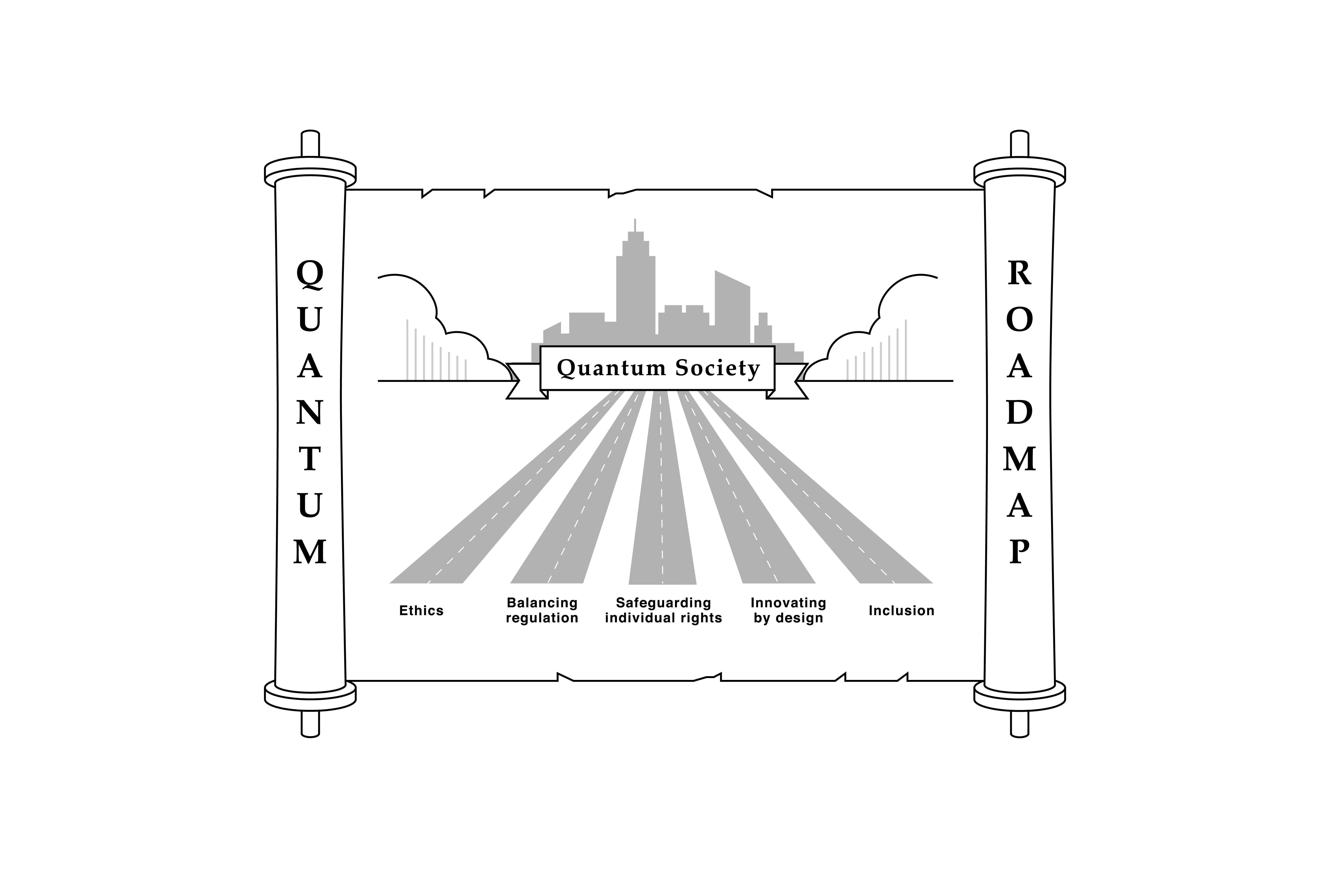
Foreshadowing the quantum wake-up on the legal arena, this course covers a novel approach on quantum computing to law. The aim is to give a general overview of the quantum technology within the framework of law, economics, and society.
The focus will be on commercial applications employing quantum computing, such as pharmaceuticals, materials discovery, banking and finance, intellectual property rights, advanced manufacturing, and contracting. We will further discuss the application to climate change (ESG strategies), security, and defense, as well as contracting and quantum natural language processing within legal design.
It is intended to understand the quantum impact on the application and practice of law and the working of societies - both on the national and international level. Consequently, quantum progress brings up several open legal and ethical questions that call for discussion.
Scientific Framework:
The theory and substance part will involve reading and discussing scholarship from legal and economic science on quantum computing. Further, legal design framework of applications and implications of quantum computing to law, economics and society will be analyzed.
We will cover, among others, concepts of:
1. Quantum Computing in a Nutshell: From Bits to Qubits
2. Applications and Implications of Quantum Computing to Law, Economics and Society
A. Pharmaceuticals Discoveries
B. IPR and Materials Discovery Process
C. Banking and Finance
D. Cybersecurity and Quantum-Safe Encryption
E. Security and Defense
F. Advanced Manufacturing
G. Climate Change
II. Quantum Computing in the Legal Design Framework
• You will acquire knowledge of general terminology and principles of quantum computing.
• During the lessons, you will learn how quantum computing can improve business operations and what effects we expect to see in different business sectors.
• You will learn how quantum is anticipated to affect the legal arena and what anticipatory measures can be taken.
- Teacher: Katri Nousiainen
- Teacher: Mayvor Höglund
- Teacher: Niklas Bruun
- Teacher: Matti Kukkonen
- Teacher: Canelia Wessman
- Teacher: Matti Kukkonen
- Teacher: Ulla-Maija Mylly
- Teacher: Daniel Jongsma
- Teacher: Matti Kukkonen
- Teacher: Nari Lee
- Teacher: Daniel Jongsma
- Teacher: Mrinalini Kochupillai
- Teacher: Matti Kukkonen
- Teacher: Nari Lee
- Teacher: Petri Mäntysaari
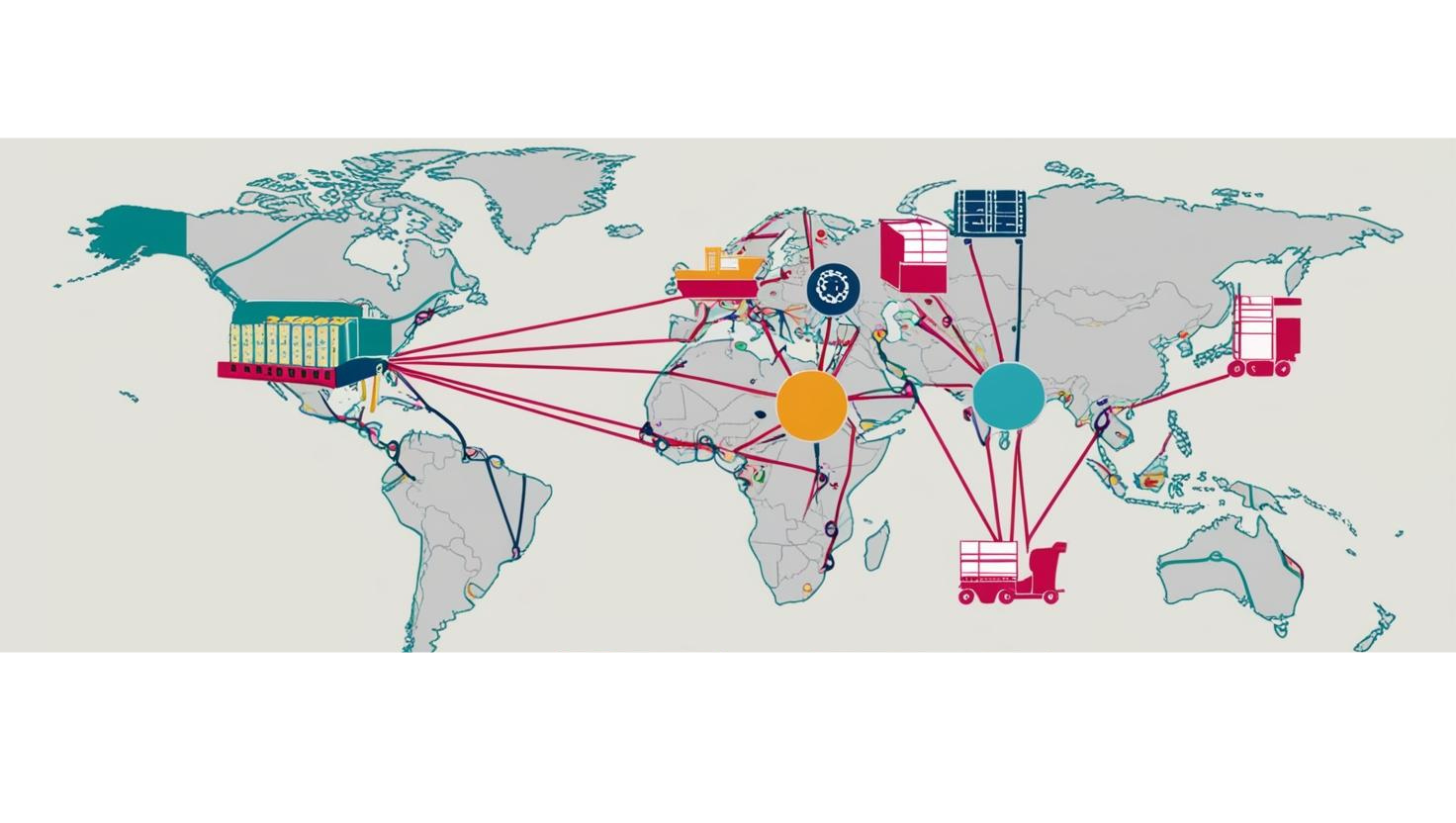
This is a self-study course that reports on the voluntary work you have completed. The aim is to acquire practical experience from voluntary work total of min 134 hours. Part time work is converted on the basis of total work hours to working weeks. All work to help people in the society can be considered. The work shall fulfill Hanken’s guidelines of ethics, responsibility and sustainability.
NB! This course is on the MSc
level. BSc students, there is a different course for you under 9997
Voluntary Work and Societal Engagement.
- Teacher: Gyöngyi Kovacs
- Teacher: Wojciech Piotrowicz
- Teacher: Claire Travers
- Teacher: Mikael Öhman
- Teacher: Wojciech Piotrowicz
- Teacher: Sarah Schiffling
- Teacher: Jamile Teles Hamideh
- Teacher: Ketki Kulkarni
- Teacher: Jamile Teles Hamideh
- Teacher: Mikael Öhman

- Teacher: Helleke Heikkinen
- Teacher: Tamara Kirkwood-Wright
- Teacher: Nicole Nguyen
- Teacher: Virva Tuomala
- Teacher: Diego Vega Bernal
Indicative content includes but is not limited to a brief overview of corporate strategy and SCM; concepts of sustainability in general and pertaining to SCM; sustainable and responsible procurement, circular economy and closed-loop supply chains; transportation; social issues in the supply chain.
The course has a pre-assignment that is published in Moodle. The first lecture is mandatory
- Teacher: Anna Aminoff
- Teacher: Margot Rocheteau
- Teacher: Faiz Sugihartanto
- Teacher: Virva Tuomala
- Teacher: Christian Fjäder
- Teacher: Amin Maghsoudi
- Teacher: John Munyoro
- Teacher: Wojciech Piotrowicz
38019 (2025/P3-P4) Project Course in Corporate Social Responsibility and Humanitarian Logistics, Hki
- Teacher: Martin Fougère
- Teacher: Helleke Heikkinen
- Teacher: Lida Nazari
- Teacher: Wojciech Piotrowicz
- Teacher: Nikodemus Solitander
- Teacher: Sarah Schiffling
- Teacher: Diego Vega Bernal
- Teacher: Ngoc Vu
- Teacher: Sarah Schiffling
- Teacher: Diego Vega Bernal
- Teacher: Ngoc Vu
- Teacher: Helleke Heikkinen
- Teacher: Mikael Öhman
- Teacher: Said Seven
- Teacher: Nikodemus Solitander
- Teacher: Said Seven
- Teacher: Nikodemus Solitander
The course has two parts: 1) The Circular.now is an online course on the MOOC platform, and you can take the course in your own pace. 2) Individual assignment
- Teacher: Anna Aminoff
- Teacher: Mohammad Ayati
- Teacher: Jamile Teles Hamideh
- Teacher: Helleke Heikkinen
- Teacher: Mikael Öhman
- Teacher: Ketki Kulkarni
- Teacher: Mikael Öhman
- Teacher: Helleke Heikkinen
- Teacher: Mikael Öhman
1. climate change as a scientific phenomenon,
2. how it can be prevented (mitigation), and
3. how adaptation is possible.
In addition to providing the basic knowledge, another equally important goal is to reinforce the student’s understanding of climate change as a deep human and societal challenge and to give everyone the means to participate in resolving it.
- Teacher: Anna Aminoff
- Teacher: Farrukh Iqbal
- Teacher: Tamara Kirkwood-Wright
- Teacher: Amin Maghsoudi
- Teacher: Wojciech Piotrowicz
- Teacher: Farrukh Iqbal
- Teacher: Nikodemus Solitander
- Teacher: Helleke Heikkinen
- Teacher: Farrukh Iqbal
- Teacher: Gyöngyi Kovacs
- Teacher: Wojciech Piotrowicz
- Teacher: Margot Rocheteau
- Teacher: Sarah Schiffling
- Teacher: Said Seven
- Teacher: Nikodemus Solitander
- Teacher: Faiz Sugihartanto
- Teacher: Virva Tuomala
- Teacher: Diego Vega Bernal
- Teacher: Mikael Öhman
- Teacher: Mohammad Ayati
- Teacher: Helleke Heikkinen
- Teacher: Farrukh Iqbal
- Teacher: Tamara Kirkwood-Wright
- Teacher: Gyöngyi Kovacs
- Teacher: Wojciech Piotrowicz
- Teacher: Sarah Schiffling
- Teacher: Said Seven
- Teacher: Nikodemus Solitander
- Teacher: Virva Tuomala
- Teacher: Mikael Öhman
- Teacher: Gyöngyi Kovacs
- Teacher: Martin Fougère
- Teacher: Nikodemus Solitander
- Teacher: Carola Wide

- Teacher: Carola Wide

- Teacher: Taija Townsend
- Teacher: Martti Mäkinen
- Teacher: Ricardo Napoleao De Souza
- Teacher: Martti Mäkinen

- Teacher: Carola Wide

- Teacher: Carola Wide
- Teacher: Martti Mäkinen

- Teacher: Ricardo Napoleao De Souza
- Teacher: Carola Wide
- Teacher: Ricardo Napoleao De Souza
- Teacher: Carola Wide
- Teacher: Maria Gajitos
- Teacher: Ricardo Napoleao De Souza

- Teacher: Carola Wide
- Teacher: Ricardo Napoleao De Souza

- Teacher: Taija Townsend

- Teacher: Taija Townsend
- Teacher: Maria Gajitos

- Teacher: Carola Wide

- Teacher: Taija Townsend

- Teacher: Upeksha Peduru Hewage Rathnasena
- Teacher: Taija Townsend

Do you want to connect with people from different languages and cultures? Join our COIL course, organized with Hanken’s ENGAGE.EU partners: Toulouse University Capitole, University of Mannheim, and Blanquerna - Universitat Ramon Llull. This course will help you improve your intercultural communication skills and competence through both theory and practical activities. You will learn about cultural and linguistic diversity, as well as digital literacy. The course emphasizes self-reflection, critical thinking, and teamwork, preparing you to communicate and work effectively in diverse, global settings. It aims to give you the skills needed to succeed in a multicultural and multilingual world, promoting understanding, respect, and inclusion.

- Teacher: Martti Mäkinen
- Teacher: Sofia Stolt
- Teacher: Carola Wide
- Teacher: Maria Gajitos
- Teacher: Carola Wide

- Teacher: Carola Wide
- Teacher: Gauthier Duche
- Teacher: Nadja Elfving
- Teacher: Laurence Prempain
- Teacher: Sofia Stolt
- Teacher: Gauthier Duche
- Teacher: Nadja Elfving
- Teacher: Gauthier Duche
- Teacher: Laurence Prempain
- Teacher: Gauthier Duche
- Teacher: Laurence Prempain
- Teacher: Gauthier Duche
- Teacher: Laurence Prempain
- Teacher: Gauthier Duche
- Teacher: Nadja Elfving
- Teacher: Gauthier Duche
- Teacher: Laurence Prempain
- Teacher: Gauthier Duche
- Teacher: Ana Berrocal Alegria
- Teacher: Rita Eloranta
- Teacher: Enrique Oviedo Mateos
- Teacher: Ana Berrocal Alegria
- Teacher: Rita Eloranta
- Teacher: Enrique Oviedo Mateos
- Teacher: Ana Berrocal Alegria
- Teacher: Rita Eloranta
- Teacher: Enrique Oviedo Mateos
- Teacher: Rita Eloranta
- Teacher: Maria Loarte
- Teacher: Ana Berrocal Alegria
- Teacher: Rita Eloranta
- Teacher: Enrique Oviedo Mateos
- Teacher: Ana Berrocal Alegria
- Teacher: Rita Eloranta
- Teacher: Enrique Oviedo Mateos
- Teacher: Ana Berrocal Alegria
- Teacher: Rita Eloranta
- Teacher: Enrique Oviedo Mateos
- Teacher: Ana Berrocal Alegria
- Teacher: Rita Eloranta
- Teacher: Enrique Oviedo Mateos
- Teacher: Ana Berrocal Alegria
- Teacher: Rita Eloranta
- Teacher: Enrique Oviedo Mateos

- Teacher: Margit Breckle
- Teacher: Stefan Kuzay
- Teacher: Mia Raitaniemi

- Teacher: Margit Breckle
- Teacher: Stefan Kuzay
- Teacher: Mia Raitaniemi

- Teacher: Margit Breckle
- Teacher: Stefan Kuzay
- Teacher: Mia Raitaniemi

- Teacher: Stefan Kuzay

- Teacher: Margit Breckle
- Teacher: Stefan Kuzay
- Teacher: Mia Raitaniemi

- Teacher: Margit Breckle
- Teacher: Stefan Kuzay
- Teacher: Mia Raitaniemi

- Teacher: Margit Breckle
- Teacher: Stefan Kuzay
- Teacher: Mia Raitaniemi
- Teacher: Margit Breckle
- Teacher: Stefan Kuzay
- Teacher: Mia Raitaniemi
- Teacher: Margit Breckle
- Teacher: Stefan Kuzay
- Teacher: Mia Raitaniemi
- Teacher: Margit Breckle
- Teacher: Stefan Kuzay
- Teacher: Mia Raitaniemi

- Teacher: Stefan Kuzay
- Teacher: Mia Raitaniemi

- Teacher: Margit Breckle
- Teacher: Stefan Kuzay
- Teacher: Mia Raitaniemi

- Teacher: Margit Breckle
- Teacher: Stefan Kuzay
- Teacher: Mia Raitaniemi
- Teacher: Margit Breckle
- Teacher: Stefan Kuzay
- Teacher: Mia Raitaniemi

Nybörjarkurs i tyska. Kursen kräver inga förkunskaper och målnivån är CEFR-nivå A1.2. Undervisningsspråket är tyska i kombination med svenska/engelska. Kursbok: Funk, H. & Kuhn C. (2017 eller senare): studio [express] - Kompaktkurs Deutsch A1-B1 Kursbuch (kan köpas vid bokhandeln IB i Helsingfors)

- Teacher: Ann-Britt Björkholm
- Teacher: Margit Breckle
- Teacher: Stefan Kuzay
- Teacher: Mia Raitaniemi

- Teacher: Stefan Kuzay

- Teacher: Margit Breckle
- Teacher: Stefan Kuzay
- Teacher: Mia Raitaniemi

- Teacher: Margit Breckle
- Teacher: Stefan Kuzay
- Teacher: Mia Raitaniemi

- Teacher: Leila Malmefjäll

- Teacher: Leila Malmefjäll

- Teacher: Leila Malmefjäll
- Teacher: Marina Bergström
- Teacher: Åsa Felixson
- Teacher: Sofia Stolt
- Teacher: Marina Bergström
- Teacher: Leila Malmefjäll

- Teacher: Marina Bergström

- Teacher: Marina Bergström
- Teacher: Pirkko Höckerstedt

- Teacher: Piritta Mikkonen
- Teacher: Leila Malmefjäll
- Teacher: Katja Peltola
- Teacher: Marina Bergström

- Teacher: Marina Bergström
- Teacher: Sofia Stolt
- Teacher: Heidi Strengell

- Teacher: Marina Bergström
- Teacher: Åsa Mickwitz
- Teacher: Heidi Strengell

- Teacher: Marina Bergström
- Teacher: Åsa Mickwitz
- Teacher: Heidi Strengell

- Teacher: Leila Malmefjäll

- Teacher: Marina Bergström
- Teacher: Leila Malmefjäll
- Teacher: Katja Peltola

Kursen motsvarar den för kandidatexamen obligatoriska kursen i affärskommunikation och erbjuder kandidatstuderande en möjlighet att avlägga den obligatoriska kursen i svenska som modersmål eller andraspråk helt eller delvis genom självstudier. Kursomfattningen är från 1 till 5 studiepoäng beroende på vilka moment som avläggs.
Kursen är avsedd för studerande med en tidigare högskoleexamen, studerande med studier motsvarande en högskoleexamen eller med flera års erfarenhet av (affärs)kommunikation på svenska i arbetslivet eller motsvarande situation.
Kursen kan tas av studerande som före 1.8.2025 har avlagt den ena kursen i svenska (skriftlig eller muntlig kommunikation) enligt tidigare studieplansperiod. Kursen är också avsedd för studerande med studentexamensbetyget eximia cum laude eller laudatur i modersmål i studentexamen.
Den som vill avlägga kursen ska ha en förmåga att studera självständigt. Examinatorn bedömer i sista hand rätten att avlägga kursen.
- Teacher: Mari Huvitus
- Teacher: Charlotta Sundström

Under kursen utvecklar du dina muntliga och skriftliga färdigheter på svenska i enlighet med de krav som ställs inom vetenskapliga och affärsrelaterade sammanhang. Kursen innehåller flera uppgifter som är kopplade till arbetslivet och akademiskt skrivande. Uppgifterna utförs och bearbetas enskilt och i grupp. Kursen är på modersmålsnivå och obligatorisk inom kandidatexamen.
Om du har svenska som andraspråk ska du gå den motsvarande kursen 5662. I Vasa är andraspråkskursen integrerad i modersmålsundervisningen.
- Teacher: Mari Huvitus
Här på sidan hittar du kursprogram, instruktioner och uppgifter samt material som stöder dig på kursen. Notera att denna kurs förutsätter närvaro. För att bekräfta din plats på kursen är det obligatorisk att vara närvarande under den första träffen.
Kort om kursen
Kursen bedöms som godkänd - underkänd.
Kursen omfattar 5 sp:
• 2 sp muntlig kommunikation
• 3 sp skriftlig kommunikation
Kursen behandlar följande delområden:
1) Muntliga och skriftliga kommunikationssituationer i affärslivet
2) Vetenskapliga texter
3) Språkriktighet: resurser och verktyg för kommunikation på god svenska
- Teacher: Pirkko Höckerstedt

- Teacher: Marina Bergström

Kursen är avsedd för studerande på kandidatnivå. En kurs i affärskommunikation på svenska är obligatorisk inom kandidatexamen. Den här kursen, med kurskoden 5662, är ämnad för studenter med svenska som andraspråk. Om du har svenska som modersmål ska du gå den motsvarande kursen 5661.
- Teacher: Charlotta Sundström
- Teacher: Katja Peltola

Kursen fungerar som en flerformskurs med blandade lärmiljöer och ska hjälpa dig som nyss inlett dina studier vid Hanken att inleda dina studier på svenska. På närträffarna som ordnas i Helsingfors deltar Vasastudenter via videouppkoppling.
Efter avslutad kurs har du förutsättningar att tala och skriva på svenska och du har färdigheter för att studera på svenska. Du är insatt i den finlandssvenska studiekulturen och förberedd på att utveckla din svenska.
Målgrupp för kursen är endast nyantagna examensstuderande med finska som skolutbildningsspråk.
Träffar:
18.9.2025 kl. 16.00 - 17.30 A403, närundervisning i Helsingfors,
onlineundervisning i Vasa
1.10.2025 kl. 14.15 - 15.45 A403, närundervisning i Helsingfors,
onlineundervisning i Vasa
8.10.2025 kl. 14.15 - 15.45 A403, närundervisning i Helsingfors,
onlineundervisning i Vasa
- Teacher: Charlotta Sundström
- Teacher: Pirkko Höckerstedt
- Teacher: Katja Peltola
- Teacher: Charlotta Sundström

- Teacher: Åsa Mickwitz

- Teacher: Marina Bergström

- analysera och reflektera över fiktiva eller autofiktiva texter ur ett affärskontextualiserat perspektiv i relation till din egen bransch
- reflektera över dig själv som läsare och insikter läsningen gett dig
- diskutera litteratur muntligt och skriftligt både självständigt och i grupp
- utnyttja dina litterära insikter för att öka din allmänbildning och effektivare knyta kontakter i arbetslivet.
Målet med kursen är att främja självreflektion och empati samt kulturell litteracitet. Under kursen breddar du din litterära kännedom och allmänbildning, utvecklar ditt språk och din förmåga att diskutera, analysera och reflektera kring litteratur självständigt och i grupp samt att hantera fiktion i en företagskontext. Du läser skönlitteratur såsom klassiker, modern litteratur, självbiografier och/eller populärvetenskaplig litteratur som tangerar arbetslivet och din bransch. Du som går kursen har förmåga att studera självständigt på svenska och arbeta i grupp. Kursen kan tas av studerande på båda orterna.
- Teacher: Robin Elfving
- Teacher: Sofia Stolt

- Teacher: Johanna Dahlin

- Teacher: Johanna Haapala
- Teacher: Ninni Lankinen

- Teacher: Johanna Dahlin

Innehåll
Inom kandidatexamen ingår en obligatorisk kurs i skriftlig affärsfinska och en obligatorisk kurs i muntlig affärsfinska. Kurserna har olika nivåer enligt studerandes språkkunskaper.
Kursens mål är att studerande efter genomgången kurs kan professionellt utforma facktexter inom sin bransch och använda stilarter och medel för sin skriftliga kommunikation. Språket ses om en del av yrkeskompetensen där det branschvisa ordförrådet och terminologin är av stor vikt. Kursens startnivå är CEFR C1.1 och
Förkunskaper
CEFR B2
För att inleda studier på C-nivå i finska bör den studerande ha förkunskaper som motsvarar B2 i studentexamen eller i motsvarande examen. Detta medför att studerande bör inneha minst eximia i A-finska (lång kurs) i studentexamen. Om nivån inte uppfylls hänvisas den studerande till motsvarande kurs på B-nivå.

En studerande som läst B-finska i studenten kan inte välja en kurs på C-nivå. Denna kurs är alltså öppen endast för studerande med laudatur eller eximia i studentexamensvitsord i A-finska.
Den studerande bör bekräfta sitt studentxamensvitsord för examinatorn i samband med kursstarten.
Efter avlagd kurs kan du
• analysera och utforma funktionella, adekvata texter och affärsbrev/-dokument av olika slag inom det ekonomiskt-merkantila området i olika affärsmiljöer i Finland
• anpassa stilen efter sammanhanget
• använda ett lämpligt och omfattande ordförråd inom branschen
• skriva med ett grammatiskt bra språk
• bearbeta egna texter utifrån varierande målgrupper och situationer.
Undervisningsformer
Närundervisning och nätundervisning (Moodle).
Undervisning i grupp och individuellt.
Självstudier och övningar på nätet utanför lektionstid. Obligatoriska bedömda inlämningsbrev.
De som har anmält sig till kursen bör vara närvarande lektionerna (obligatorisk närvaro).
Examination och bedömning:
Skriftlig tentamen i slutet av kursen. Bedömning 70 % från tenten och 30 % från övningsarbetena och timaktivitet. Vardera skall separat ge minst 50 poäng/100 poäng.
Tentamens exakta tidpunkt meddelas på kursen. Anmälningar till tentamen direkt till examinatorn.
För de enskilda texternas (inlämningsuppgifternas) del bedöms:

- textens syfte, innehåll och logik
- textens grammatik och struktur samt terminologin
- beaktande av textens målgrupp och företagsmiljö
- stilartens anpassning till sammanhanget och helhetsintrycket
Studerandes totala arbetsmängd
80 timmar fördelat på
schemalagd undervisning: ca 28 lektionstimmar
icke-schemalagt arbete: ca 52 timmar i form av självstudier och övningar på nätet, men därtill personlig handledning enskilt och i grupp. Cirka 6-8 bedömda inlämningsuppgifter.
Deltagarantal och begränsningssätt
Alla studerande bereds en plats på kursen under läsåret, men på grund av undervisningsformens fortlöpande individuella handledning är deltagarantalet per grupp begränsat till 25 personer.
- Teacher: Anna Del Gaudio
- Teacher: Marit Nilsson-Väre

- Teacher: Johanna Dahlin

- Teacher: Johanna Haapala
- Teacher: Marit Nilsson-Väre
- Teacher: Ann-Marie Åkers

- Teacher: Johanna Haapala
- Teacher: Ninni Lankinen

- Teacher: Anna Wallin

- Teacher: Anna Wallin

- Teacher: Johanna Haapala

- Teacher: Johanna Haapala

- Teacher: Johanna Dahlin

- Teacher: Johanna Haapala

- Teacher: Johanna Haapala
- Teacher: Ninni Lankinen

- Teacher: Johanna Haapala
- Teacher: Ninni Lankinen

Suullinen ja kirjallinen yritysviestintä B är för studerande med svenska som modersmål. Kursen innehåller delområden inom såväl muntlig som skriftlig affärsfinska där dessa färdigheter bedöms skilt enligt språklagens krav.
- Teacher: Johanna Dahlin

- Teacher: Johanna Dahlin

- Teacher: Johanna Haapala
- Teacher: Ninni Lankinen

- Teacher: Johanna Haapala
- Teacher: Ninni Lankinen

- Teacher: Marit Nilsson-Väre

- Teacher: Johanna Dahlin

- Teacher: Marit Nilsson-Väre

- Teacher: Margit Breckle
- Teacher: Johanna Dahlin
- Teacher: Gauthier Duche
- Teacher: Rita Eloranta
- Teacher: Maria Gajitos
- Teacher: Pirkko Höckerstedt
- Teacher: Stefan Kuzay
- Teacher: Mia Raitaniemi
- Teacher: Frank den Hond
- Teacher: Anna Aminoff
- Teacher: Johanna Gummerus
- Teacher: Frank den Hond

The aim of the course is to introduce students in Management and Business Studies to statistical methods for analysing multivariate data. After completing the course, the student is able to undertake high-quality quantitative research in Management and Business Studies, including International Business, Logistics, Management, Marketing and Strategy.
- Teacher: Niklas Ahlgren
- Teacher: Niclas Meyer
- Teacher: Mikael Öhman
- Teacher: Anu Helkkula
- Teacher: Qingbo Xu-Susiluoto
- Teacher: Anu Helkkula
- Teacher: Qingbo Xu-Susiluoto
På kursen behandlas:
- Grunderna i sannolikhetslära
- Populationer, stickprov (sampel) och variabler

- Deskriptiv statistik
- Stickprovsteori
- Konfidensintervall och hypotestest med z- och t-fördelningar
- Test för skillnad i medelvärde (beroende och oberonde grupper)
- Korrelationsanalys och regressionsanalys (enkel & multipel)
- Variansanalys (ANOVA)
- Icke-parametriska test (teckentest, Wilcoxons test, Mann-Whitney U-test)
- Analys av kontingenstabeller (Chi2-test)
- Test av andelar
Metoderna tillämpas på problem som relaterar till företagsvärlden.
Obligatorisk grundkurs inom kandidatexamen på svenska.
- Teacher: Niclas Meyer
Obligatorisk grundkurs inom kandidatexamen på svenska.
- Teacher: Christian Johansson

- Teacher: Ingmar Björkman
- Teacher: Taija Townsend
- Teacher: Yanqing Lin
- Teacher: Sippo Rossi
- Teacher: Anna Dziuba
- Teacher: Martin Fougère
- Teacher: Anna Dziuba
- Teacher: Marie Snellman
- Teacher: Martin Fougère
- Teacher: Nikodemus Solitander
- Teacher: Martin Fougère
- Teacher: Nikodemus Solitander
- Teacher: Towa Blomqvist
- Teacher: Sarah Hagström
- Teacher: Susanne Holmlund
- Teacher: Towa Blomqvist
- Teacher: Sarah Hagström
- Teacher: Susanne Holmlund
- Teacher: Towa Blomqvist
- Teacher: Sarah Hagström
- Teacher: Susanne Holmlund
At the end of the first year of studies you will choose your major subject. On this Moodle site you will find all the information you need to be able choose your major and plan the remaining part of your bachelor’s degree.
The enrolment key is sent out by e-mail to all Bachelor in Business students. Please contact studycounsellor-hki@hanken.fi if you haven’t received the enrolment key.
- Teacher: Anna Ahlskog
- Teacher: Jennie Bertula
- Teacher: Eva Molander
- Teacher: Alex Thilman
I period 4 under första läsåret inom kandidatutbildningen väljer du ditt huvudämne. Huvudämnesvalet stöder dig i studie- och karriärplanering.
Kursnyckeln till Moodle skickas via e-post till dem som inledde sina kandidatstudier hösten 2021. Kontakta studievagledare-vasa@hanken.fi om du inte fått kursnyckeln.
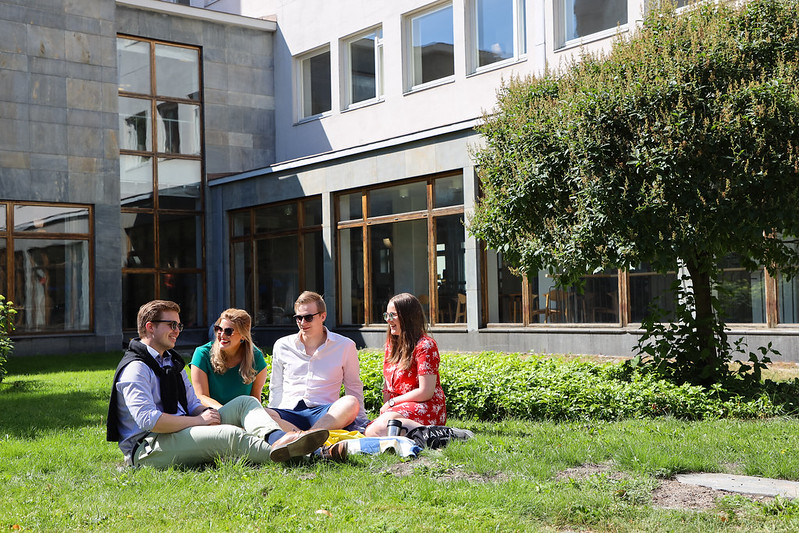
I slutet av första läsåret inom kandidatutbildningen väljer du ditt huvudämne. Huvudämnesvalet stöder dig i din studie- och karriärplanering.
Kursnyckeln till Moodle skickas via e-post till dem som inledde sina kandidatstudier hösten 2024. Kontakta studievagledare-hfors@hanken.fi om du inte fått kursnyckeln.
- Teacher: Anna Ahlskog
- Teacher: Jennie Bertula
- Teacher: Eva Molander
- Teacher: Alex Thilman
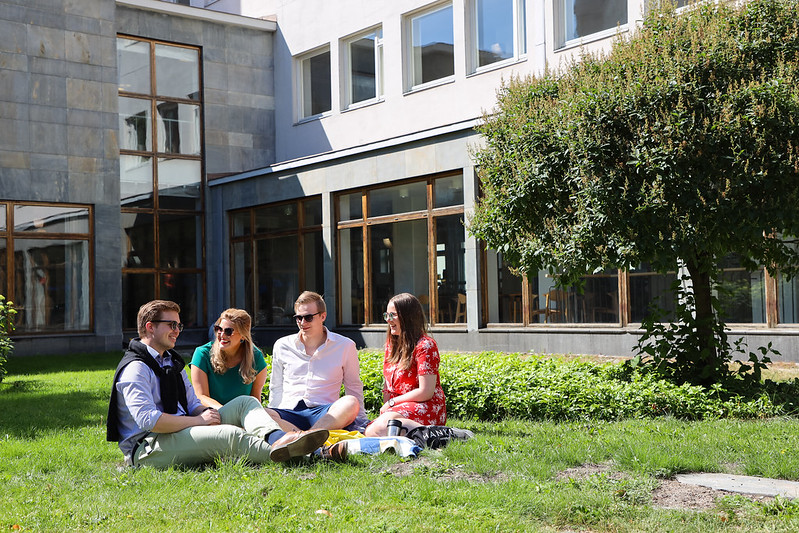
I period 4 under första läsåret inom kandidatutbildningen väljer du ditt huvudämne. Huvudämnesvalet stöder dig i studie- och karriärplanering.
Kursnyckeln till Moodle skickas via e-post till dem som inledde sina kandidatstudier hösten 2021. Kontakta studievagledare-vasa@hanken.fi om du inte fått kursnyckeln.
- Teacher: Marika Finne
- Teacher: Britt-Mari Siironen
- Teacher: Daniela Smeds
- Teacher: Alex Thilman
- Teacher: Kaie Admin Veiler

- Teacher: Anna Ahlskog
- Teacher: Anna Aminoff
- Teacher: Sonja Antell
- Teacher: Jennie Bertula
- Teacher: Natalia Boltovskaia
- Teacher: Ida Borgar
- Teacher: Annika Bärlund
- Teacher: Alexandra Filatova
- Teacher: Marika Finne
- Teacher: Martin Fougère
- Teacher: Jannika From
- Teacher: Mirjam Granström
- Teacher: Sarah Hagström
- Teacher: Carl Hobbs
- Teacher: Maria Holmlund-Rytkönen
- Teacher: Henrik Höglund
- Teacher: Kim Ittonen
- Teacher: Henry Jarva
- Teacher: Daniel Jongsma
- Teacher: Linnéa Kangas
- Teacher: Henna Konsti
- Teacher: Matti Kukkonen
- Teacher: Tom Lahti
- Teacher: Nari Lee
- Teacher: Johanna Lepola
- Teacher: Miranda Lillqvist
- Teacher: Linda Martelius
- Teacher: Topi Miettinen
- Teacher: Eva Molander
- Teacher: Henrik Palmen
- Teacher: Katja Peltola
- Teacher: Marie Peltomäki
- Teacher: Wojciech Piotrowicz
- Teacher: Pia Polsa
- Teacher: Elvira Rapo
- Teacher: Staffan Ringbom
- Teacher: Matilda Ruotanen
- Teacher: Denise Salin
- Teacher: Julia Salmi
- Teacher: Martin Scheffel
- Teacher: Sarah Schiffling
- Teacher: Hanna Sipiläinen
- Teacher: Andreas Skarpman
- Teacher: Nikodemus Solitander
- Teacher: Rune Stenbacka
- Teacher: Malin Stenström
- Teacher: Dennis Sundvik
- Teacher: Lukas Söderqvist
- Teacher: Alex Thilman
- Teacher: Emma Tikkanen
- Teacher: Geert Van Moer
- Teacher: Kaie Admin Veiler
- Teacher: Joakim Vincent
- Teacher: Malin Wagner
- Teacher: Jiekai Zhang
- Teacher: Mikael Öhman

- Teacher: Anna Ahlskog
- Teacher: Sonja Antell
- Teacher: Jennie Bertula
- Teacher: Natalia Boltovskaia
- Teacher: Marika Finne
- Teacher: Mirjam Granström
- Teacher: Linnéa Kangas
- Teacher: Eva Molander
- Teacher: Matilda Ruotanen
- Teacher: Britt-Mari Siironen
- Teacher: Daniela Smeds
- Teacher: Emma Tikkanen
- Teacher: Annika Bärlund
- Teacher: Tanja Dahlgren-Broman
- Teacher: Ida Forsblom
- Teacher: Veronica Hasselström
- Teacher: Miranda Lillqvist
- Teacher: Wendela Rönnlund
- Teacher: Hanna Sipiläinen
- Teacher: Andreas Skarpman
- Teacher: Tove Ahlskog-Pursiainen
- Teacher: Tanja Dahlgren-Broman
- Teacher: Erica Åkermarck Salmén
Detta är en testkurs med en säker testtentamen. Testet fungerar genom att studeranden laddar ned clienten Schoolyear och installerar den på sin dator före tentamen.
This is a text course with a secure test exam. The Quiz works only with the Schoolyear client, which the student need to download and install on his/her computer before the exam.
Senaste uppdatering/Latest update 2025-12-09
Kursnyckeln är/ the course key is: "Schoolyeartest"
för att testa frågor o tenter med schoolyear

- Teacher: Tommy Nilsson
- Teacher: Dennis Ståhl
- Teacher: Filip Östman

- Teacher: Kicka Admin Lindroos